

Preparing for Christmas Trading: Are your Manual Handling controls ready?
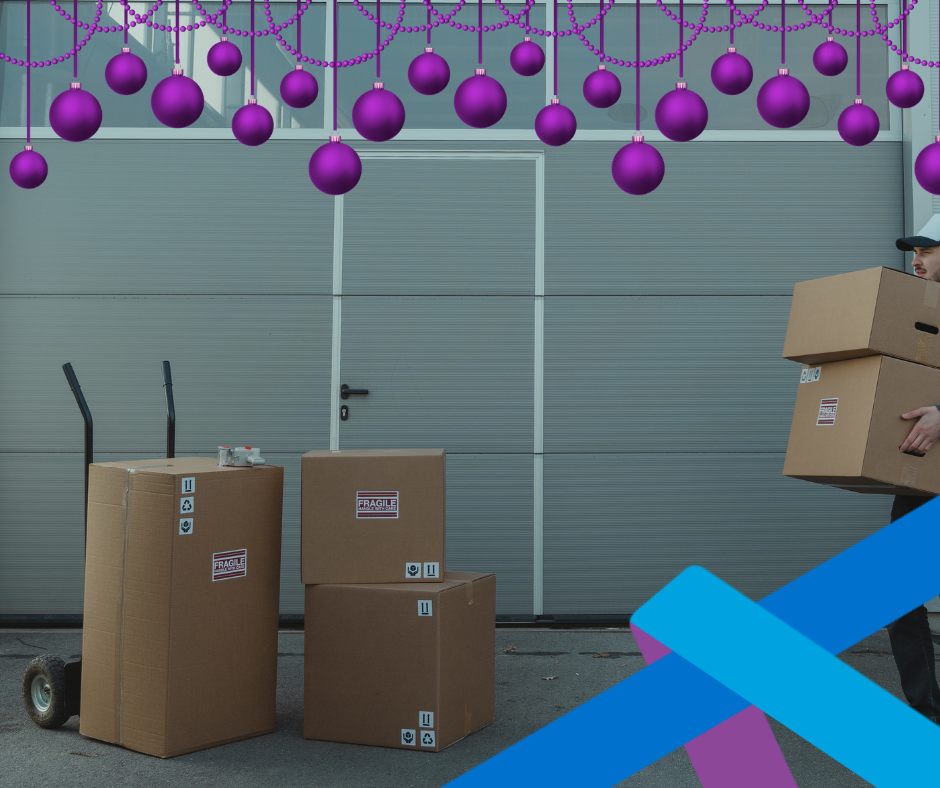
As Christmas approaches, many stores experience a significant increase in deliveries, stock movements and customer collections. To meet demand, businesses may also bring in temporary or seasonal workers to support warehouse, delivery and sales operations. While these additional pressures are a normal part of the festive trading period, they can increase the risk of manual handling injuries if suitable controls are not in place.
Musculoskeletal disorders (MSDs), including back injuries, strains and joint problems, remain one of the leading causes of work-related ill health in Great Britain. In furniture retail environments, where employees regularly handle large, bulky or awkward items, the risk can increase when workloads rise and operations become busier.
During peak trading periods, employees may:
- Handle a greater volume of stock and furniture.
- Move products more frequently between storage and retail areas.
- Complete additional customer collections and deliveries.
- Work under greater time pressures.
- Support and supervise new or temporary colleagues.
These factors can lead to shortcuts, fatigue and unsafe handling practices if risks are not actively managed. Temporary and seasonal employees can make a valuable contribution during busy periods, but they may be unfamiliar with workplace layouts, equipment or safe handling procedures. Before undertaking manual handling tasks, workers should receive:
- A suitable site induction.
- Information on safe lifting and handling techniques.
- Instruction on any mechanical handling aids provided.
- Clear guidance on team lifting requirements.
- Appropriate supervision and support.
So, what steps should be taken to reduce the risks? As activity increases, now is a good opportunity to review:
- Are manual handling risk assessments still suitable for current workloads?
- Are lifting aids and handling equipment readily available and maintained?
- Do seasonal workers receive adequate training and supervision?
- Have staff identified any products or tasks that are particularly challenging to handle safely?
- Are employees encouraged to report concerns before injuries occur?
Peak trading periods are a good opportunity to assess weaknesses and strengths in your existing arrangements. A task that is manageable during quieter periods may become problematic when stock volumes double, delivery schedules tighten, or inexperienced workers join the team. Taking time to review manual handling arrangements before the festive rush can help reduce injury risks, support employee wellbeing and keep operations running smoothly throughout the Christmas trading period.
Need a hand managing your temporary peaks? Get in touch to discuss how we can help: Contact Us
Related blogs:
Winter weather at work: are your controls ready?
Navigating Seasonal Peaks: Ensuring Health & Safety for Temporary Workers
When is a workplace injury “reportable” when it involves a member of the public?
Our content is correct at the date of publishing, but should not be taken as legal advice, and our articles don’t replace Risk Assessments. Armour will not be held accountable for any legal actions the reader may take.